

Buying a rental apartment through a pension is only part of the job. Before tenants can move in, you need to decide what belongs in each room, arrange delivery and make sure the apartment feels ready to live in.
Davy referred clients looking to invest in property, and Flanagan Kerins subsequently carried out furniture fit-outs for their apartments. That journey brings a practical question into focus: how do you furnish a property well without losing sight of the budget?
How apartment fitouts support a pension property investment
An apartment fit-out, in this context, means choosing and supplying furniture and key furnishings for a property intended to be let. It turns empty rooms into a usable home. However, furniture can't guarantee a tenant, rental income or investment performance.
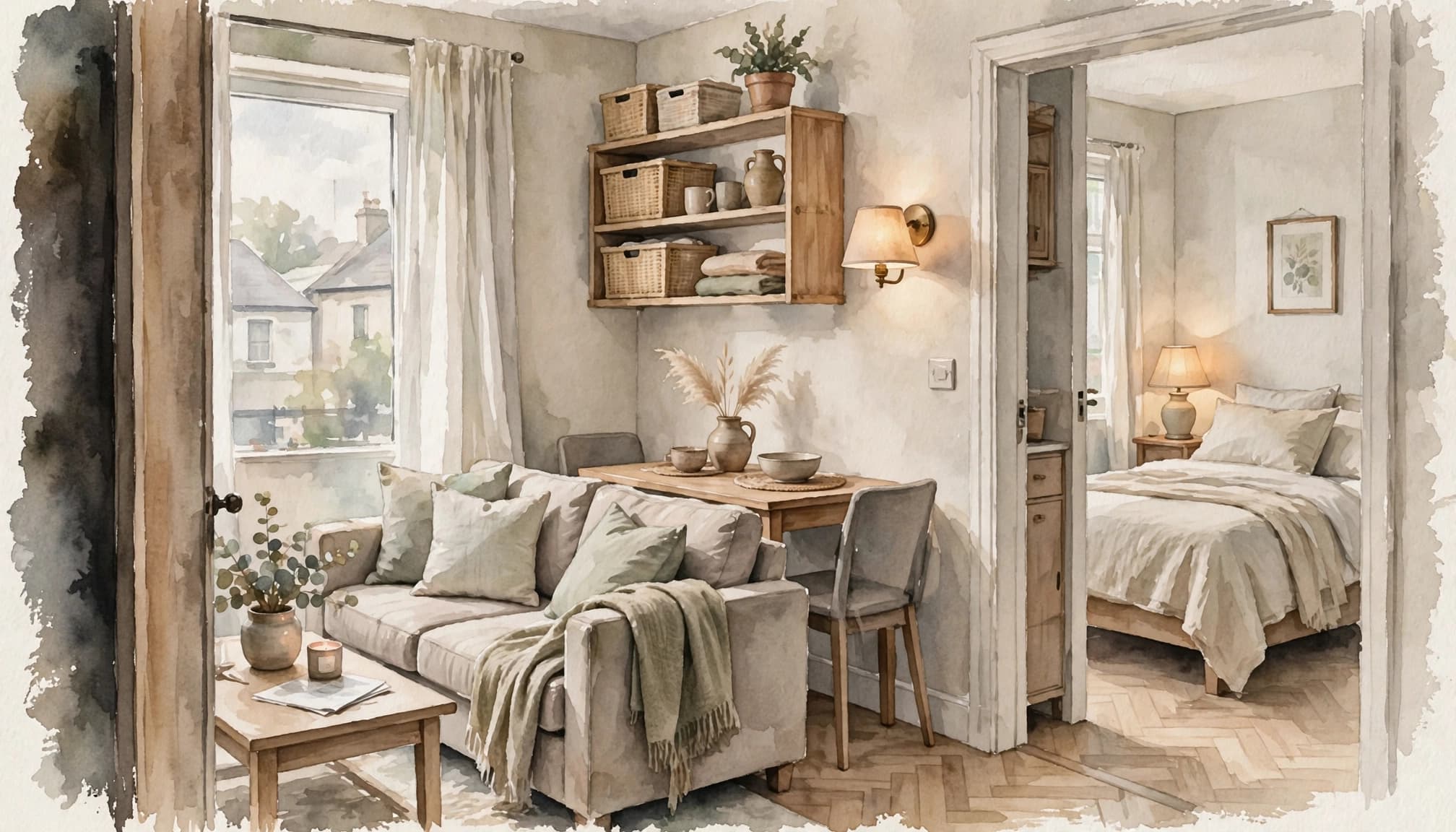
From Davy's property referral to furnishing with Flanagan Kerins
In the journey described here, Davy referred clients interested in property investment. Flanagan Kerins then undertook furniture fit-outs for their apartments. The investment decision and the furnishing work are distinct: one concerns the property and pension arrangement, whilst the other concerns what a tenant will find when they open the door.
Davy has written about investing a pension in property. Any investor considering that route needs advice on their own circumstances; a furniture fit-out begins with the apartment itself.
What a tenant-ready apartment may need
Start with places to sleep, sit, eat and store belongings. That could mean beds and mattresses, a sofa, dining furniture and wardrobes or other storage. Lighting matters too, particularly where ceiling lights leave a reading corner or dining table in shadow.
Useful finishing touches, such as a rug or bedside lamps, can make a room more comfortable. Yet every apartment needs its own list. A compact one-bedroom layout, an apartment with fitted wardrobes and a larger property intended for sharing will call for different choices.
Plan apartment fit-outs around budget, tenants and long-term value
Set a furnishing budget before choosing individual pieces. Then measure the rooms, doorways and lift access, and record what the apartment already includes. This helps you avoid ordering a sofa that blocks a walkway or buying storage that duplicates fitted cupboards.
Good choices balance comfort, appearance and upkeep. They don't promise higher rent or better pension returns.
Choose furniture that suits the space and intended tenants
Prioritise a sound bed and mattress, comfortable seating and a dining surface that fits the likely household. In a smaller apartment, furniture with a modest footprint leaves room to move; a large table may look appealing in a showroom but crowd the room at home.
Choose a coherent mix of colours and materials rather than filling every corner. Easy-care upholstery and sturdy surfaces are sensible where furniture will see frequent use. Before ordering, check the existing fixtures and think about what the intended tenants will need day to day.
Check costs, delivery and the details before letting
Ask for the full scope of any proposed package. Confirm which items it includes, the total cost, delivery and assembly arrangements, lead times, care requirements and applicable terms. Also check that the delivery date leaves enough time for installation before the apartment is offered to tenants.
Once everything arrives, walk through the rooms. Furniture should be complete and safely placed, lights should work, and doors and drawers should open freely. For pension and property decisions, obtain suitable financial, tax and legal advice alongside the practical furnishing plan.
Make the apartment manageable after move-in
A fit-out has a life beyond its first photographs. Tenants need furniture they can use comfortably, whilst the property owner needs to know what can be cleaned, repaired or replaced when wear appears. Keep a record of the items supplied and retain care information for upholstery, mattresses and finished surfaces.
Small choices can make that work easier. A washable rug may suit a busy entrance better than a delicate one, and a dining chair should tuck away without scraping the wall. Check access around beds and storage, too. If a tenant can't open a wardrobe properly, the room won't feel practical, however good the furniture looks.
Frequently Asked Questions
What does an apartment fit-out include?
The contents vary by property and proposed package. A fit-out may include furniture and key furnishings for the bedroom, living area and dining space. Check the quoted scope rather than assuming every lamp, mattress or finishing touch is included.
Can pension funds be used to invest in an apartment?
It depends on the pension arrangement and the investment. Revenue's guidance addresses residential property as an investment asset within certain arrangements, including Approved Retirement Funds and Personal Retirement Savings Accounts. Ask a qualified financial or pension adviser to assess your circumstances before making a decision.
Does furnishing an apartment guarantee rental income?
No. A furnished apartment can offer a practical place to live, but rental demand, ongoing costs, property condition and wider market factors affect the outcome. Allow for periods without a tenant when assessing the investment.
How should I choose furniture for a rental apartment?
Start with the layout, likely tenant needs, budget and durability. Measure before ordering and check which fittings are already there. Then focus on pieces that leave the rooms comfortable to use rather than simply filling the available space.
A furnished apartment starts with a clear plan
The journey from property investment to a furnished apartment involves decisions beyond the purchase itself. A well-planned fit-out suits the rooms, meets everyday tenant needs and stays within a considered budget.
If you're preparing a property to let, explore Flanagan Kerins' apartment fit-out and landlord furniture packages to see how the furnishing and installation work can be arranged.


